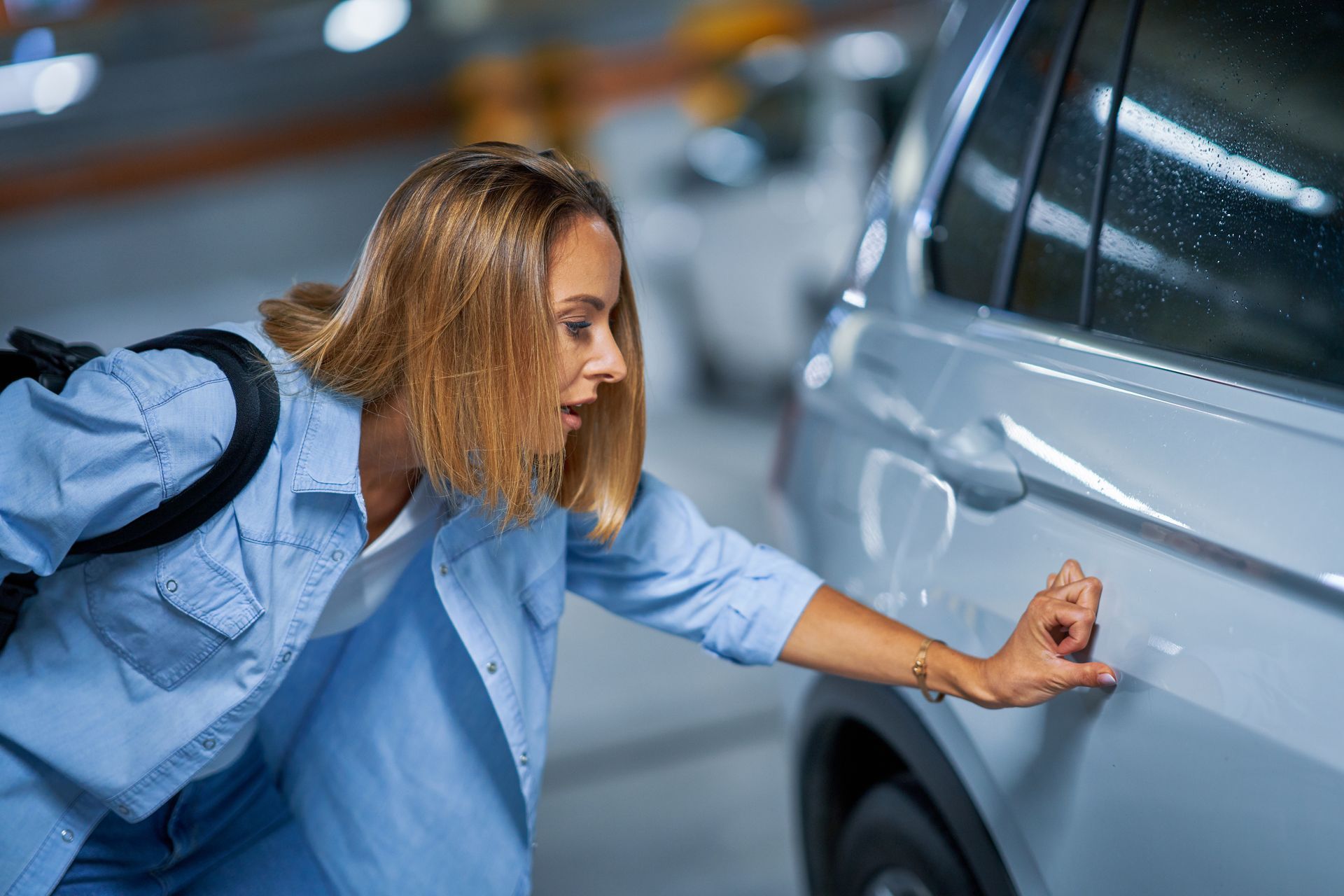
A scrape with another car’s paint left behind is irritating because it looks worse than it may be. You walk up to the vehicle, see a streak of white, black, red, or silver across your bumper or door, and immediately wonder how deep it went.
Sometimes it is mostly paint transfer.
Sometimes the other car’s paint is sitting on top of your clear coat. Other times, the scrape cuts through your paint and into the bumper, panel, or primer. The first few minutes matter because what you do next can make the repair easier or make the damage harder to correct.
Take Photos Before Touching Anything
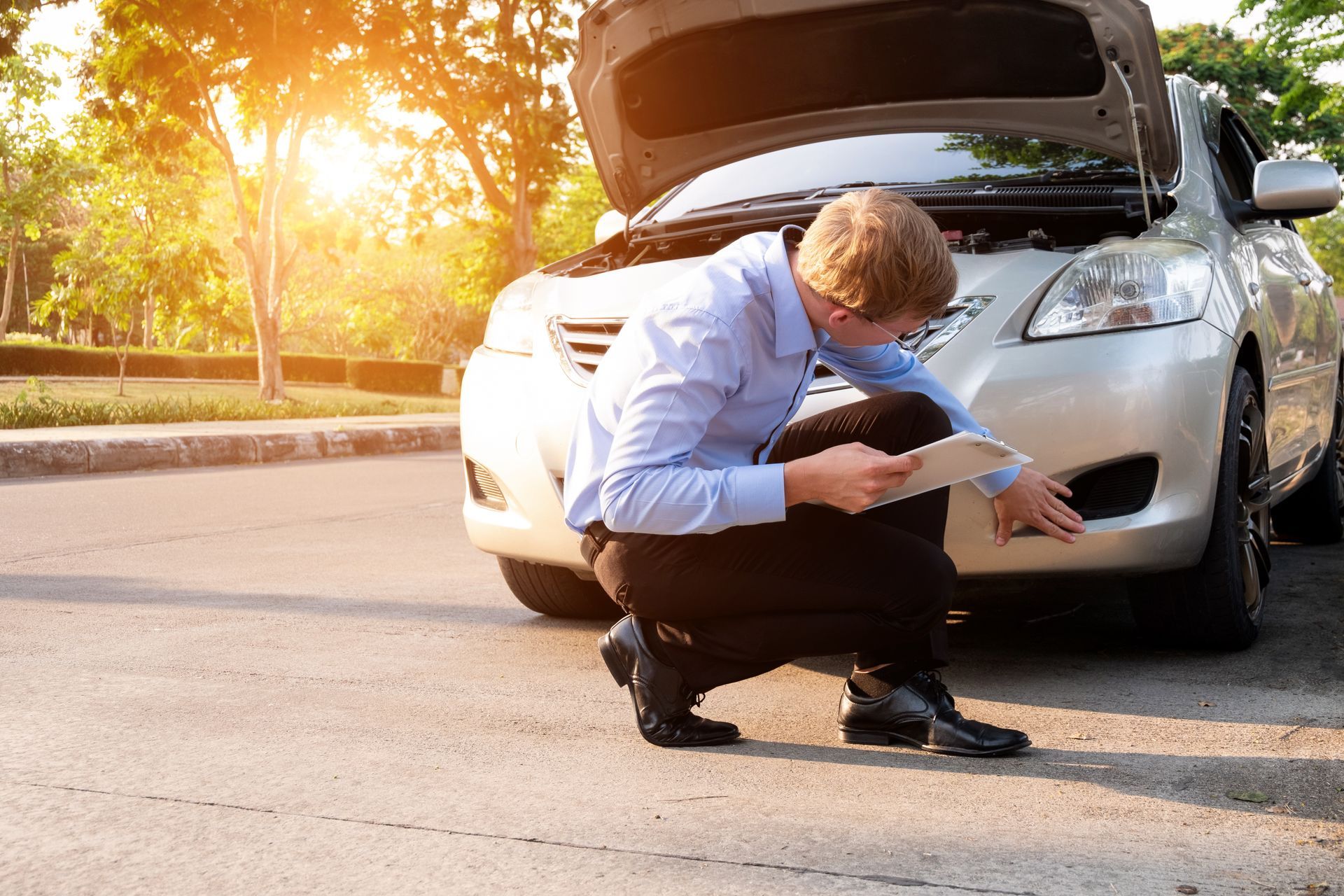
Before wiping, washing, or trying a product from the garage, take photos. Get close-up shots and wider shots that show the damage on the vehicle. If the scrape happened in a parking lot, take pictures of the area too.
Photos help if you need to file an insurance claim, make a report, or compare the damage later. Once you start cleaning the mark, you may remove evidence of paint transfer, the direction of impact, or the original size of the scrape.
It feels natural to grab a rag right away. Wait a minute. Document it first.
Check Whether It Is Paint Transfer Or A Scratch
Paint transfer sits on top of your vehicle’s paint. It may look like a colored streak, smear, or scuff from the other car. A scratch goes into your paint. If your fingernail catches in the mark, the damage may be more serious than a simple transfer.
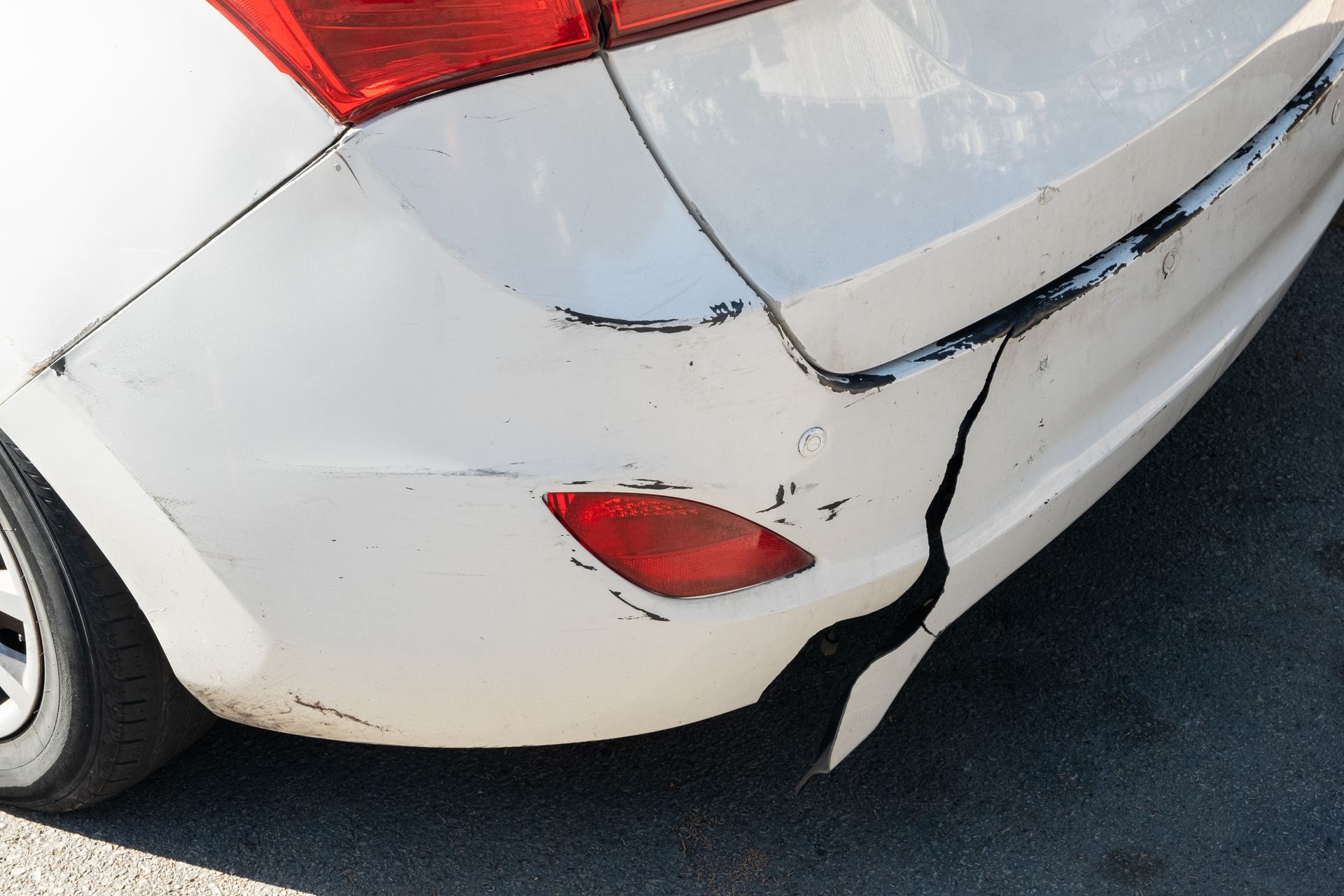
Bumpers can be tricky because plastic flexes. A scrape may leave paint from another car, but it can also create gouges, cracked clear coats, or raised edges in the bumper cover. Door and fender scrapes can also include small dents that are easy to miss when you focus only on the color streak.
A careful inspection helps separate what can be polished from what needs paint or body repair.
Do Not Use Harsh Scrubbing First
Hard scrubbing can turn a small repair into a bigger one. Kitchen pads, strong solvents, rough towels, and aggressive rubbing compounds can dull the clear coat or leave swirl marks. Even if the paint transfer comes off, you may end up with a hazy patch around the scrape.
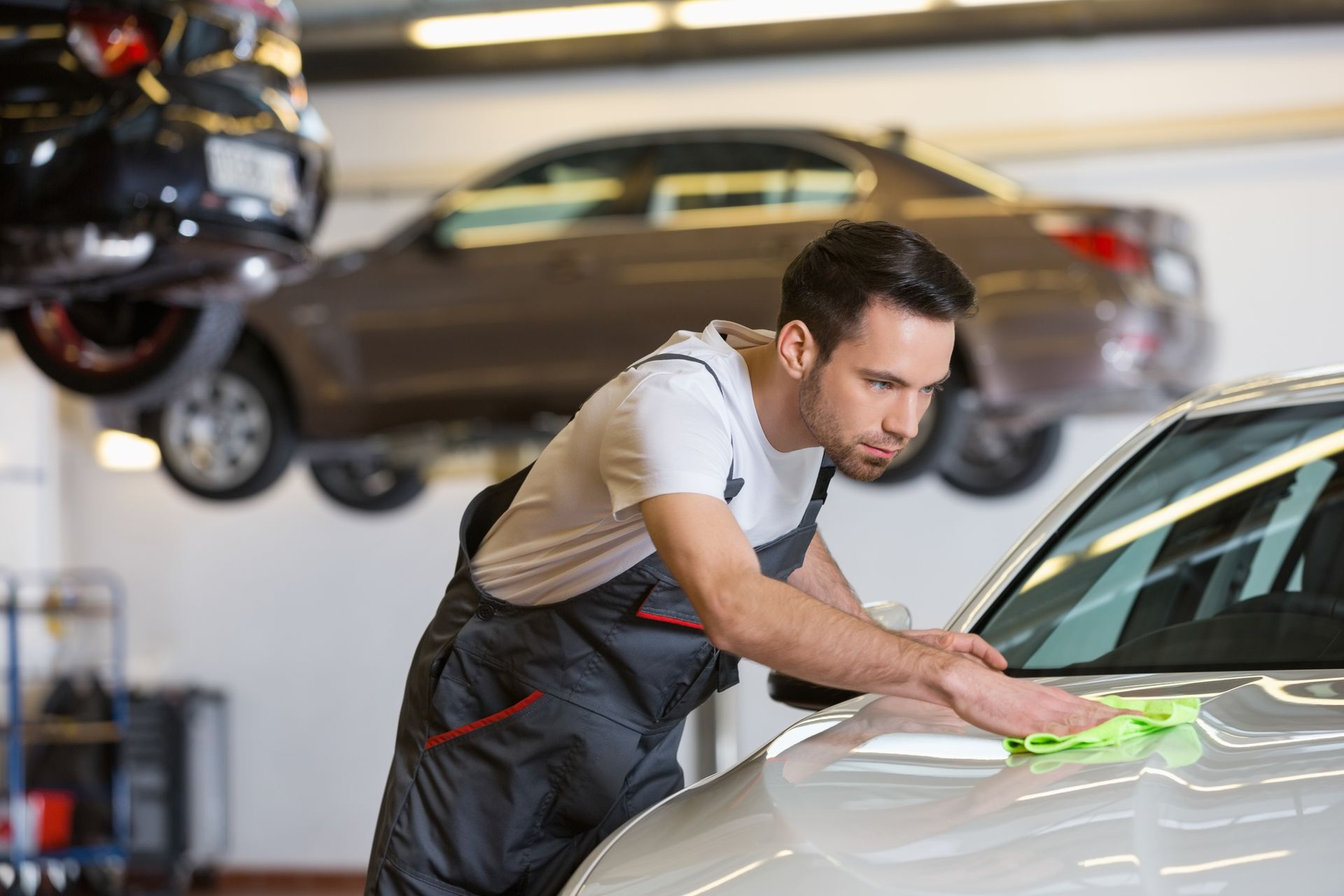
Start gentle. A clean microfiber towel, mild car wash soap, and water are safer than attacking it dry. If the mark does not come off with light cleaning, stop. That is usually the point where better tools and products matter.
We see damage made worse by good intentions. The scrape was minor, but the cleanup attempt created the real problem.
Look For Cracks, Dents, And Loose Paint
Paint transfer can distract from the rest of the damage. After the area is clean enough to see, look from a few angles. Check for cracked paint, chipped edges, ripples in the panel, broken clips, bumper gaps, or trim that no longer sits right.
A bumper scrape can hide broken tabs underneath. A door scrape can have a shallow dent that only shows in certain light. A fender mark can affect the edge where the panel meets the bumper or headlight.
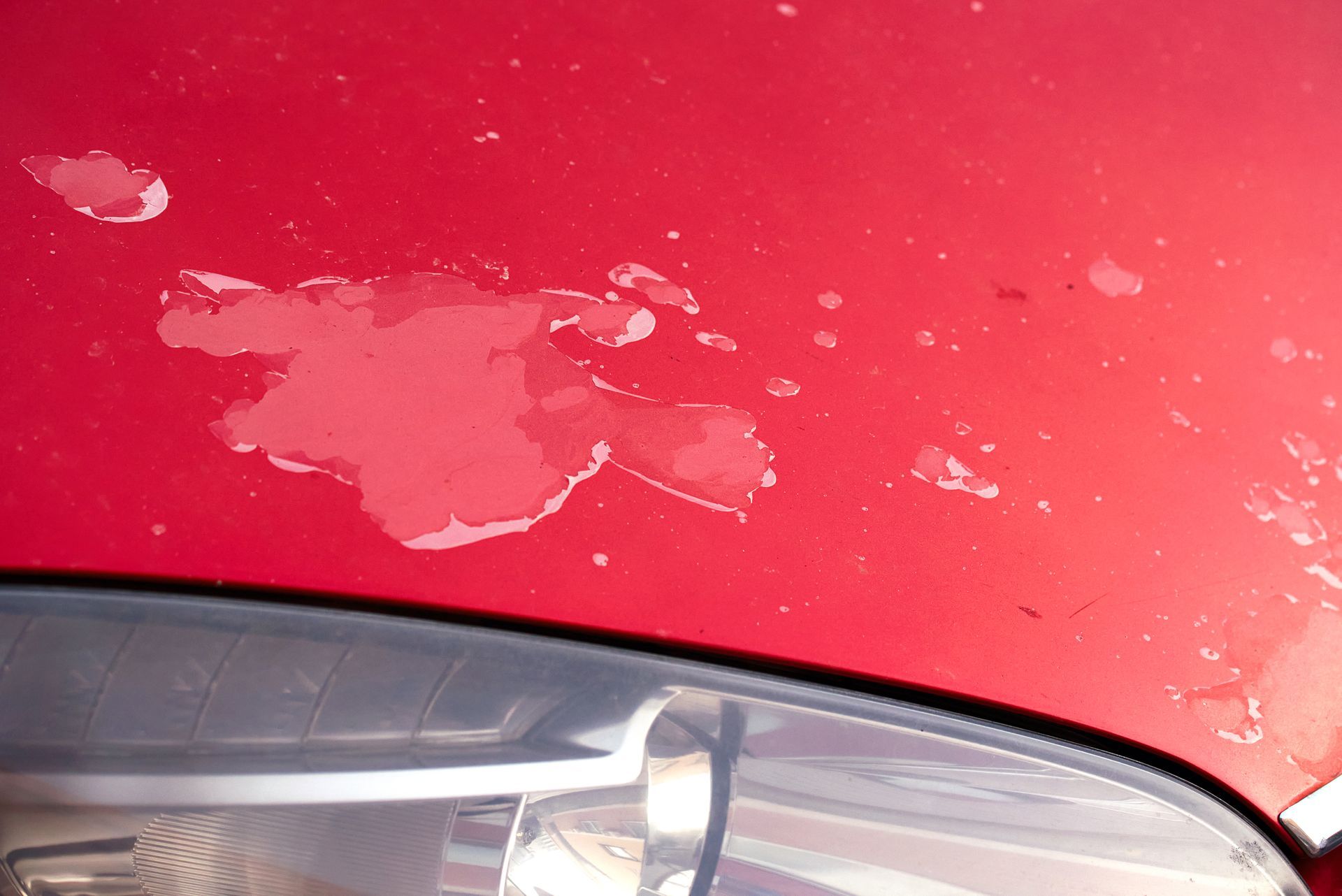
If the paint is cracked or lifting, do not keep rubbing it. Loose paint can peel further, especially after heat, rain, washing, or road grime reaches the damaged edge.
Know When Polishing Is Enough
If the damage is only paint transfer sitting on top of the clear coat, polishing may remove most or all of it. That is the best-case scenario. The original paint underneath is still intact, and the repair may be much simpler than it first looked.
If the scrape has cut into the clear coat or color coat, polishing can improve the appearance, but it will not replace missing paint. If primer or bare material is showing, the spot needs more than buffing. Leaving exposed areas alone can allow moisture and dirt to work into the damage.
This is why a quick professional look can save time. It keeps you from over-polishing an area that actually needs touch-up, blending, or panel repair.
Decide Whether To Report It
If someone scrapes your parked car and leaves, you may need photos, the location, the time of day, and any available camera information. If the damage happened at a business, ask whether security cameras cover the area. If another driver left a note, keep it and take a photo of it.
For insurance purposes, the decision depends on the repair cost, deductible, and the situation. A small scrape may be better handled directly. A larger scrape, damaged bumper, or dented panel may be worth a claim. Get an estimate before deciding if you are unsure.
The important thing is not to wait too long. Once the weather and washing change the surface, the original damage can be harder to document clearly.
Get Mobile Paint And Scratch Repair In Florida, With Morrison Corp Mobile Body & Paint
If your vehicle was scraped and another car’s paint was left behind, Morrison Corp Mobile Body & Paint in Florida can inspect the damage, remove what can be safely polished, and explain whether the area needs touch-up, refinishing, or body repair.