Clear coat peeling usually starts as a small rough patch you notice in bright sun, then it spreads faster than you expect. Once the clear loses its bond, water, UV, and heat keep working the edge until it lifts in sheets. Drivers often try to polish it out because it looks like oxidation at first, but peeling is a different problem with a different fix.
If it’s flaking, the finish is already separating.
What Clear Coat Does And Why It Fails
The clear coat is the protective top layer over the color coat. It adds gloss, blocks UV damage, and acts as the sacrificial layer that takes the beating from sun, weather, and washing. When it’s healthy, it flexes with the panel and stays bonded to the base coat underneath.
When it fails, it’s usually because the clear has broken down from UV exposure or it has lost adhesion from poor prep, contamination, or age. After that bond starts to go, the clear cannot be saved by wax or a quick buff.
The Most Common Reasons Clear Coat Starts Peeling
Sun and heat are the number one cause on daily drivers, especially on horizontal panels like the hood, roof, and trunk. UV breaks down the resins in the clear coat over time, and once it gets brittle, it cracks and lifts. Florida heat accelerates this, and dark colors tend to show the damage sooner.
The other big category is past paintwork that wasn’t prepped or cured correctly. If a panel was repainted without proper surface prep, or the wrong materials were used, the clear may peel years earlier than factory paint.
Common triggers we see include:
- Long-term UV exposure and oxidation that makes the clear brittle
- Harsh chemicals or repeated use of strong degreasers on painted surfaces
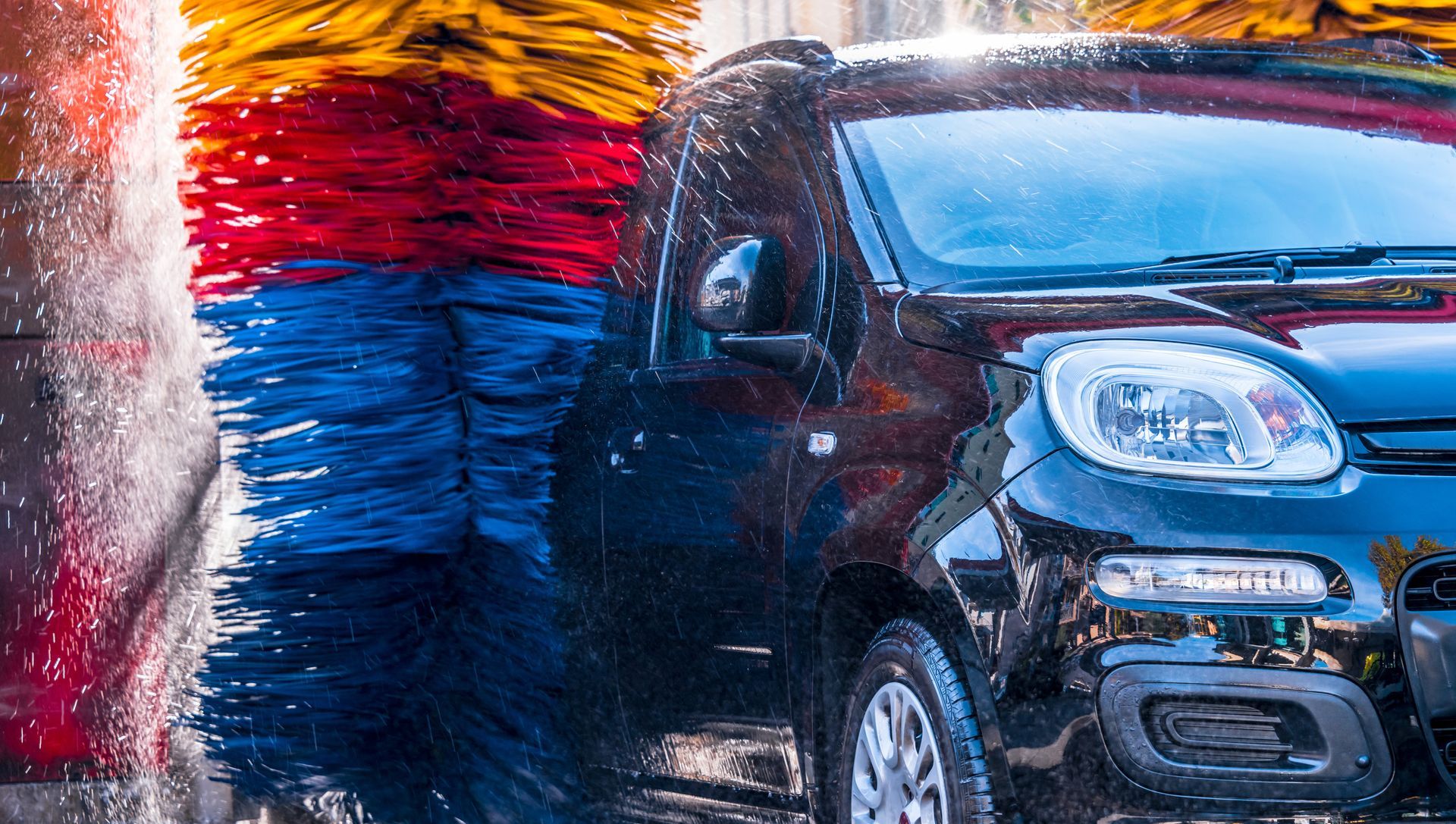
- Automatic car washes with aggressive brushes that scratch and weaken the clear
- Bird droppings, tree sap, and bug residue left to bake on the paint
- Older resprays where the clear did not bond well to the base coat
Early Warning Signs Before It Flakes Off
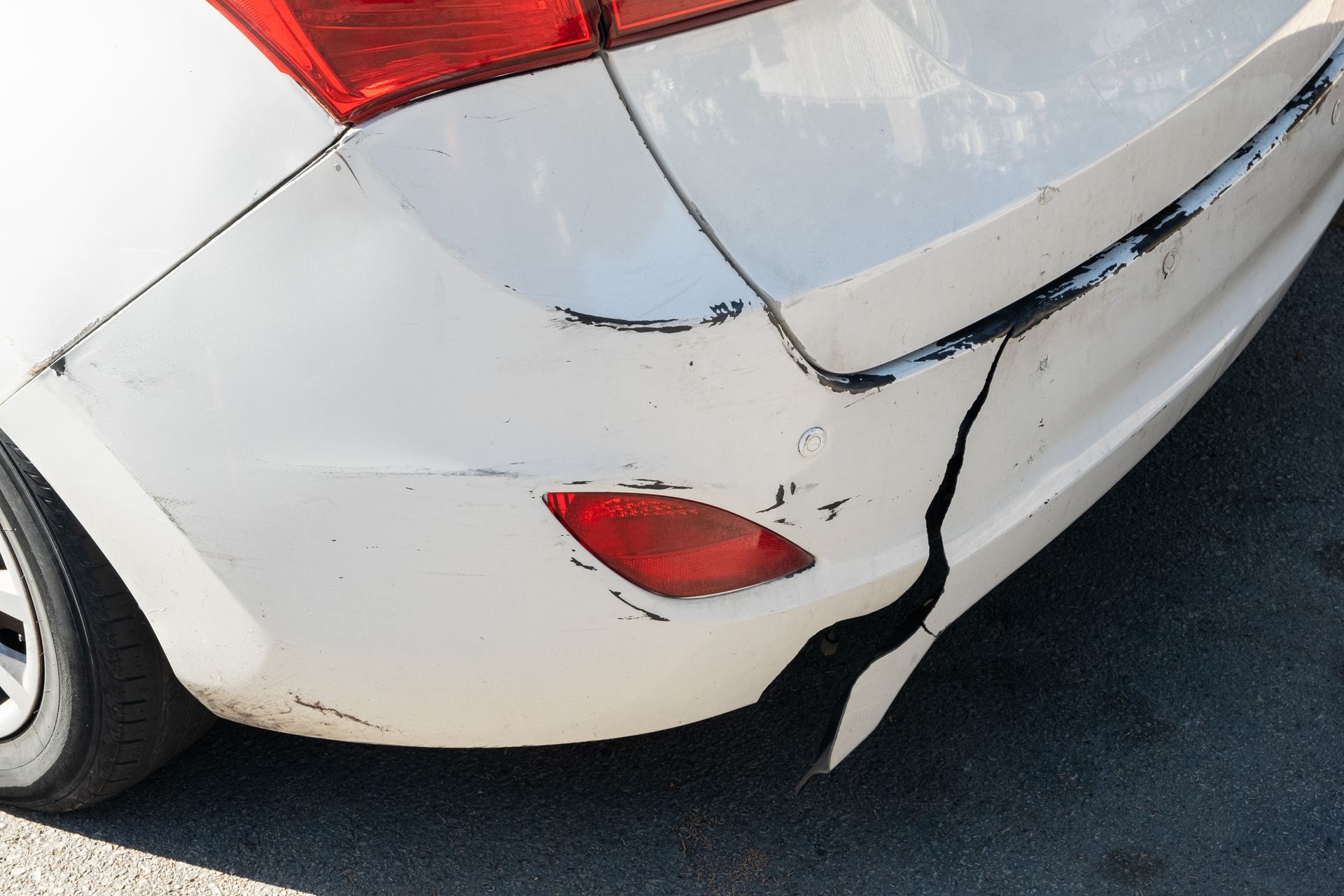
Peeling doesn’t always start with obvious chips. Often, you’ll see a dull patch that looks cloudy, then the surface starts to feel rough and uneven. In sunlight, it can look like the paint has a hazy veil over it, especially on the roof and hood.
Another clue is when you see a sharp edge forming, like a thin line where gloss ends and dullness begins. That edge is the start of the clear lifting, and it usually keeps moving unless it’s repaired properly. A quick inspection at this stage can save you from a larger repaint later because the damage is still contained.
Why Polishing and Wax Alone Cannot Fix Peeling
Polishing removes material from the top layer to level the surface and bring back shine. That works for oxidation on a clear coat that is still bonded and intact. Once the clear is separating, polishing only thins the remaining clear and can make the peeling spread faster.
Wax and sealants are protection products, not repair products. They can help slow UV damage on healthy paint, but they cannot reattach the clear coat that has already lost adhesion. If you see flaking, the correct fix is restoring the surface mechanically, not covering it.
How Peeling Clear Coat Is Repaired The Right Way
A proper repair starts by removing all the failing clear. If you only sand the visible flakes and spray over the weak edge, the peel line often comes back because the old clear continues lifting underneath the new material. The goal is to feather the transition until you’re back to stable, bonded paint.
After the surface is prepped, the panel may need a base coat blended if the color coat was damaged or exposed during sanding. Then a new clear coat is applied evenly, followed by proper curing and finishing. Once it’s cured, the panel is refined to restore gloss and match the surrounding texture so it doesn’t look like one shiny patch next to older paint.
Spot repairs can work when the failure is small and confined to one area, but many peeling panels need a full panel refinish for a clean, durable result. That’s especially true on hoods and roofs where UV damage is usually widespread, even if only one corner has started to flake.
Aftercare That Keeps New Paint Looking Fresh
After a clear coat repair, the paint needs time to fully cure before you treat it like fully hardened factory paint. Gentle washing, avoiding harsh chemicals, and skipping aggressive automated washes go a long way. Keeping contaminants like sap and bird droppings off the paint quickly also matters because those can etch into the surface when they sit.
Regular maintenance is simple here: wash it safely, apply a quality sealant when appropriate, and park the car out of direct sunlight when you can. Those habits don’t just keep the gloss, they slow down the next round of UV breakdown.
Get Clear Coat Repair In Florida, FL, With Morrison Corp Mobile Body & Paint
If your clear coat is peeling, the next step is removing the failed material, rebuilding the finish correctly, and blending it so it looks uniform and stays bonded. Schedule mobile service with Morrison Corp Mobile Body & Paint in Florida, FL, and we’ll help you restore the shine without the peel line coming back.
Your paint should look consistent from every angle.