A scratch on your paint can feel permanent, especially when it catches the sun, and your eye goes straight to it every time you walk up to the car. The frustrating part is that some marks look terrible but are actually shallow, while others look minor and end up needing more work.
Polishing sits right in the middle. It can remove a surprising amount of damage without repainting, but it has limits. Once you know what those limits look like, you can make a smarter call on what’s fixable and what needs a different repair.
What Polishing Can Fix Without Repainting
Polishing works by leveling the clear coat, which is the protective top layer over your paint. Many scratches and haze marks live in that clear coat. When a polish gently removes a microscopic amount of that layer, it can reduce or erase the defect so the surface reflects light evenly again.
This is why polishing can turn an ugly-looking area into something you can barely find afterward. It is especially effective on light scratches, scuffs, swirl marks, and dullness that comes from years of washing and weather.
Scratch Types That Usually Polish Out
Not every scratch is the same. A good rule is this: if the mark is in the clear coat, it often has a chance. If it’s through the clear coat into the color layer, polishing won’t make it disappear.
Light scratches from fingernails behind door handles, brush contact, or mild rubbing against a jacket zipper can often be improved. If the scratch looks white only because it’s reflecting light, that can be a clue that it’s shallow. If it looks like a sharp line that stays dark from every angle, it may be deeper.
Polishing can also reduce the look of minor scratches, even when it cannot remove them completely. Sometimes the win is making the mark blend in so your eye stops locking onto it.
Scuffs And Paint Transfer That Look Worse Than They Are
Scuffs on bumpers and lower doors are often paint transfer, not missing paint. That means something else left material on your clear coat, like a parking lot rub, a plastic tote, or a light scrape against a painted post.
In those cases, the goal is to remove what’s sitting on top of your paint, then polish the haze underneath. We see paint transfer that looks like a full repaint, but it comes off with the right approach and a careful polish.
The key is not attacking it aggressively with harsh abrasives. That can create more haze than you started with, which makes the area look larger and duller.
Swirl Marks And Haze From Washing
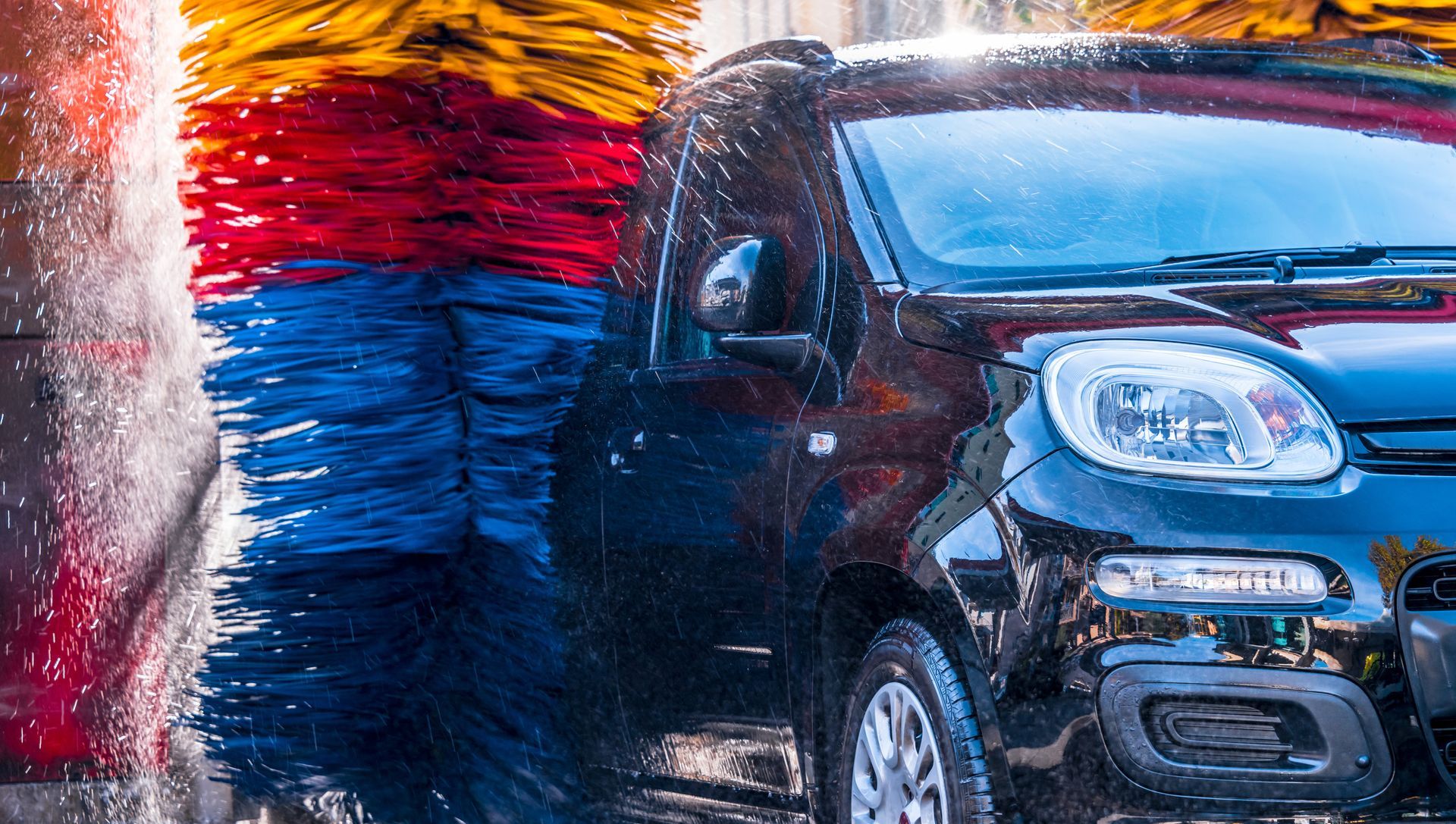
Swirl marks are those spider-web patterns you notice in sunlight or under bright parking lot lights. They usually come from washing with dirty tools, using a rough towel, or wiping dust off without enough lubrication.
Polishing can clean up swirls because they are typically shallow and spread across the clear coat. Once corrected, the paint looks darker, glossier, and more even because it’s reflecting light cleanly again.
If your car looks dull even after a wash, that dullness is often a mix of swirls, oxidation, and contamination stuck to the surface. A proper polish can bring back clarity, especially on darker colors where swirls show more easily.
When Polishing Is Not Enough
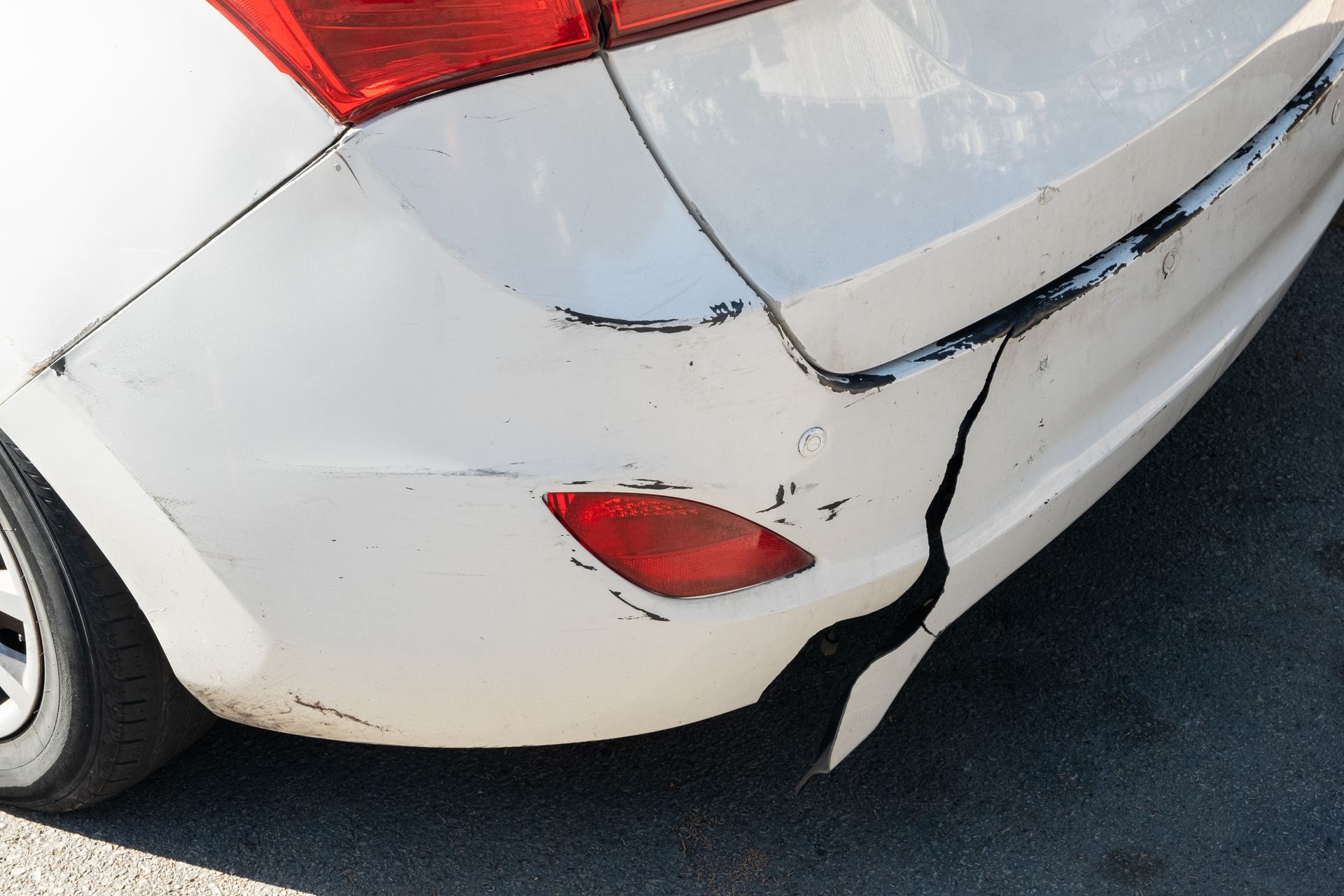
Polishing is powerful, but it cannot replace missing paint or repair damaged panels. If the clear coat is gone or the scratch is into the base coat, polishing may make it look cleaner, but the line will still be there.
Here are signs that the damage likely needs more than polishing:
- You can see primer or bare metal in the scratch.
- The scratch catches your fingernail easily and feels deep.
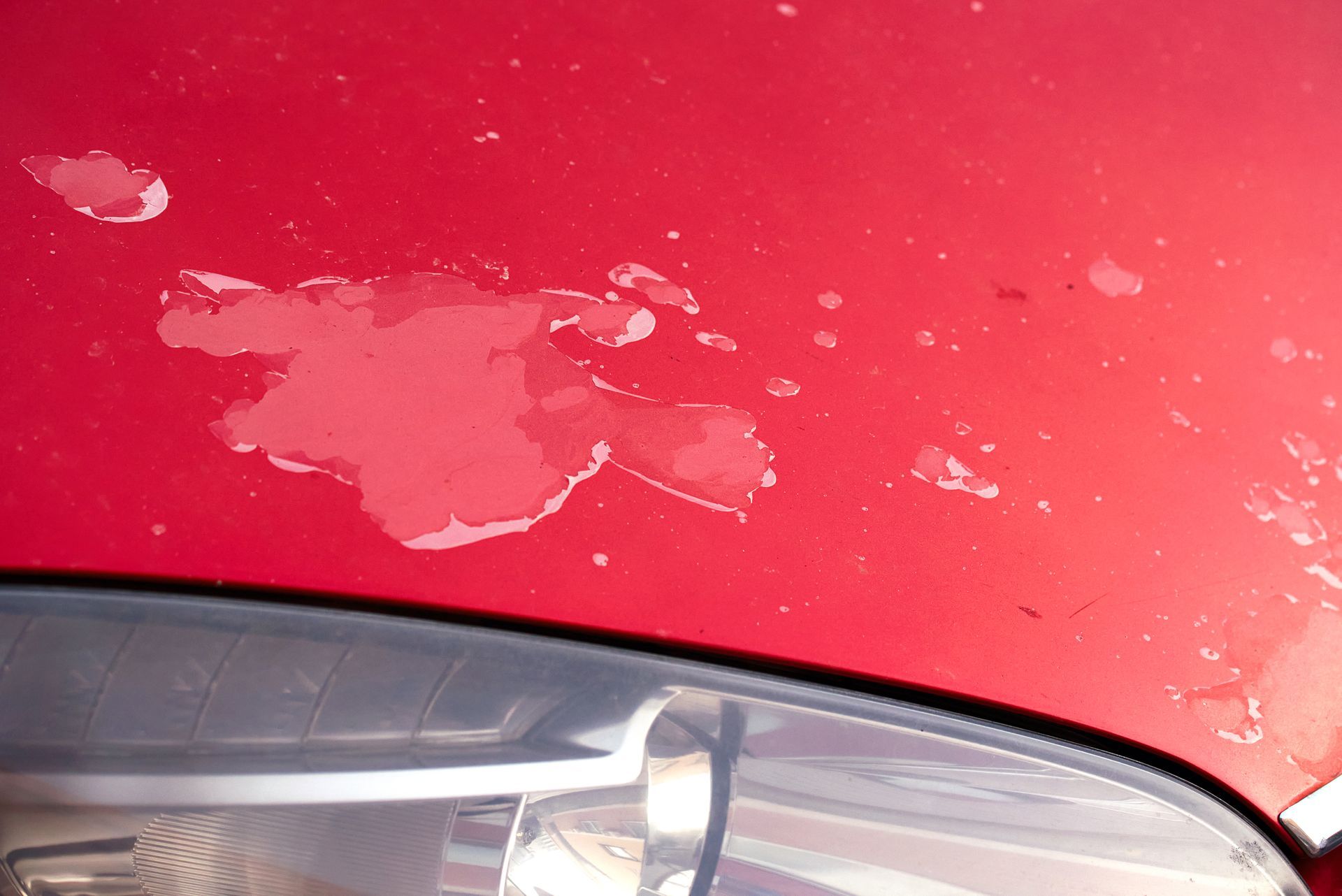
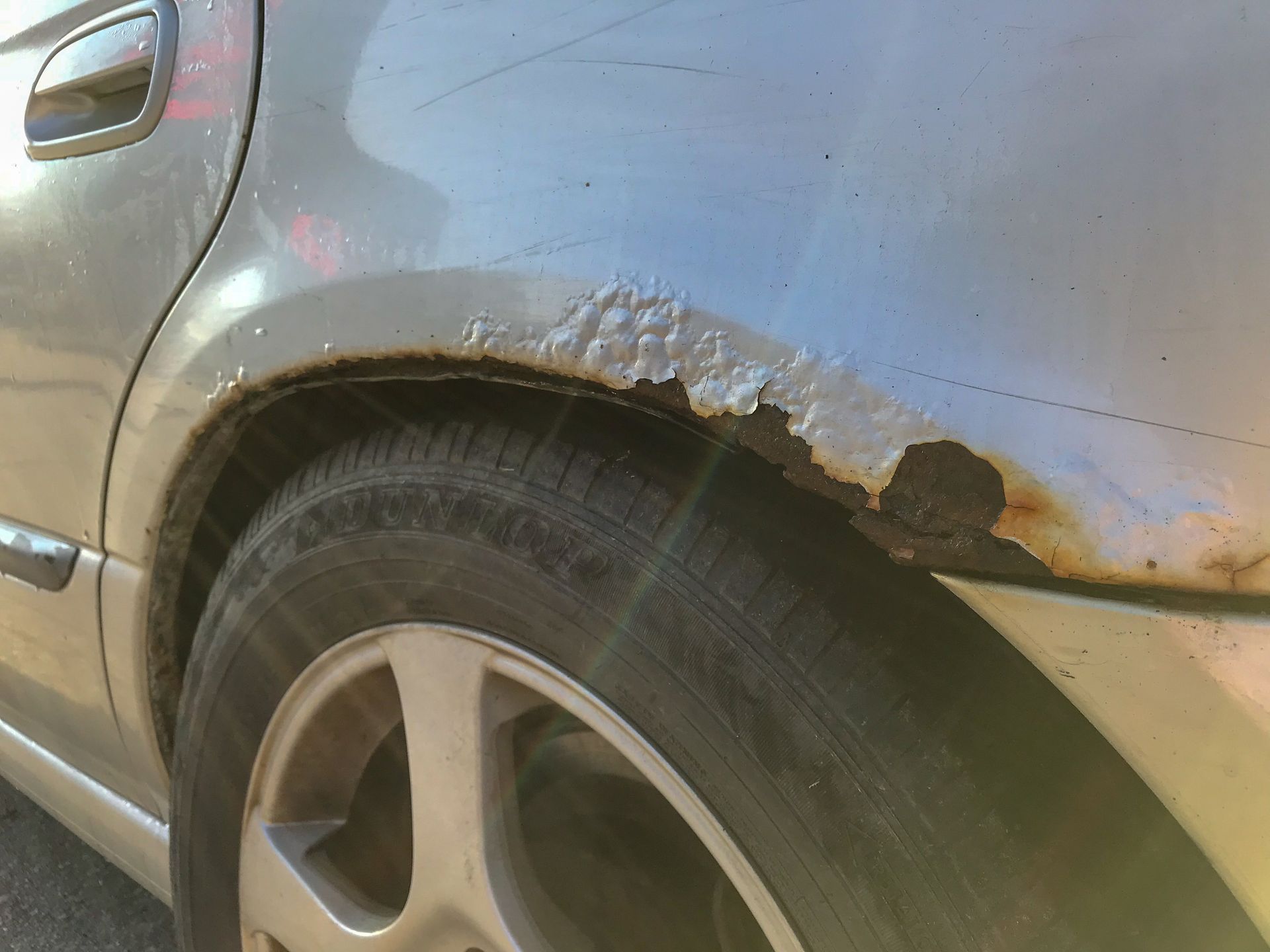
- The area has a peeling or flaking clear coat.
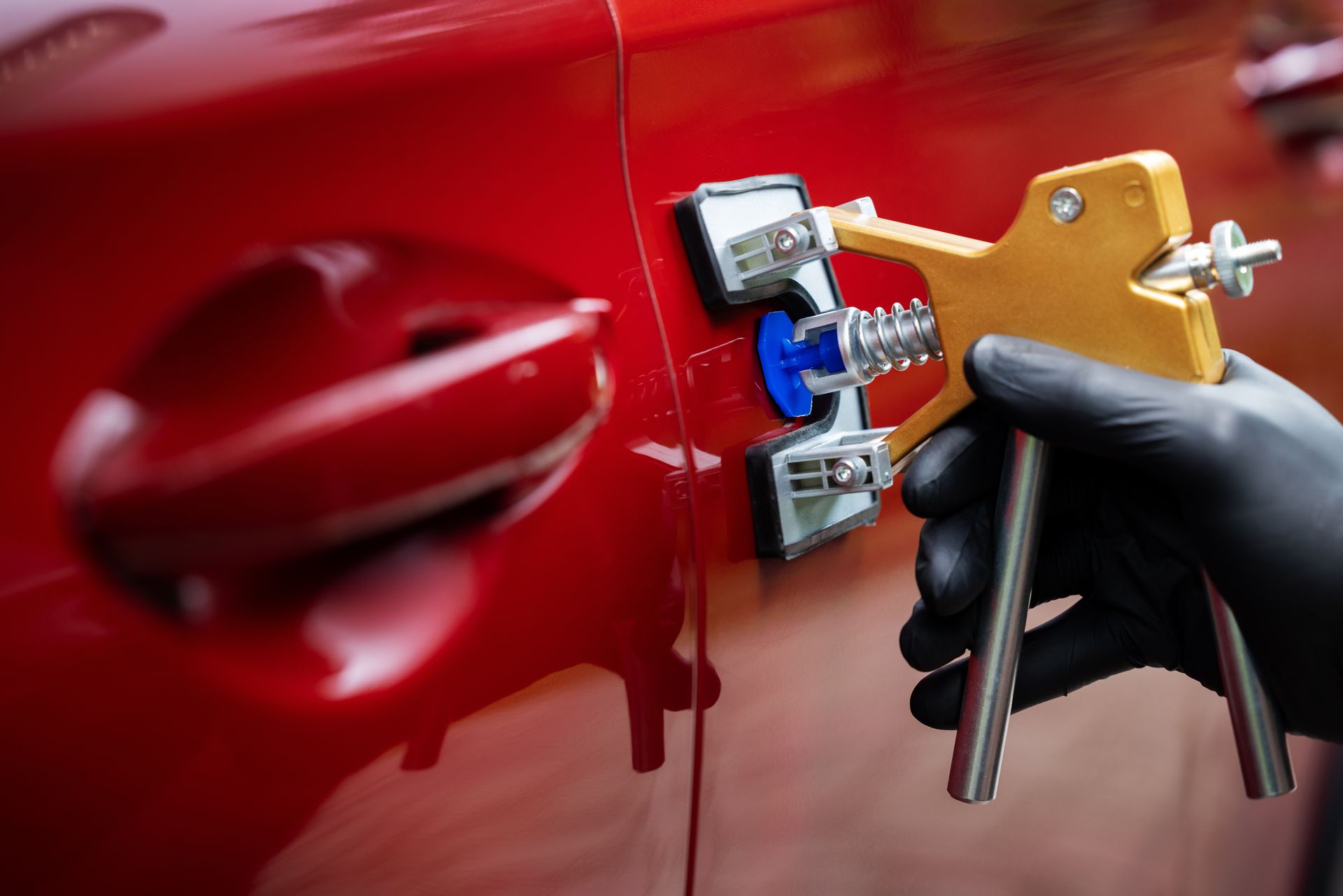
- The panel has dents or creases along with paint damage.
- Rust is forming where the paint was broken.
In these cases, polishing can still be part of the process, but it’s not the main fix. Touch-up, refinishing, or body repair is usually the correct direction.
What To Expect From A Professional Polish
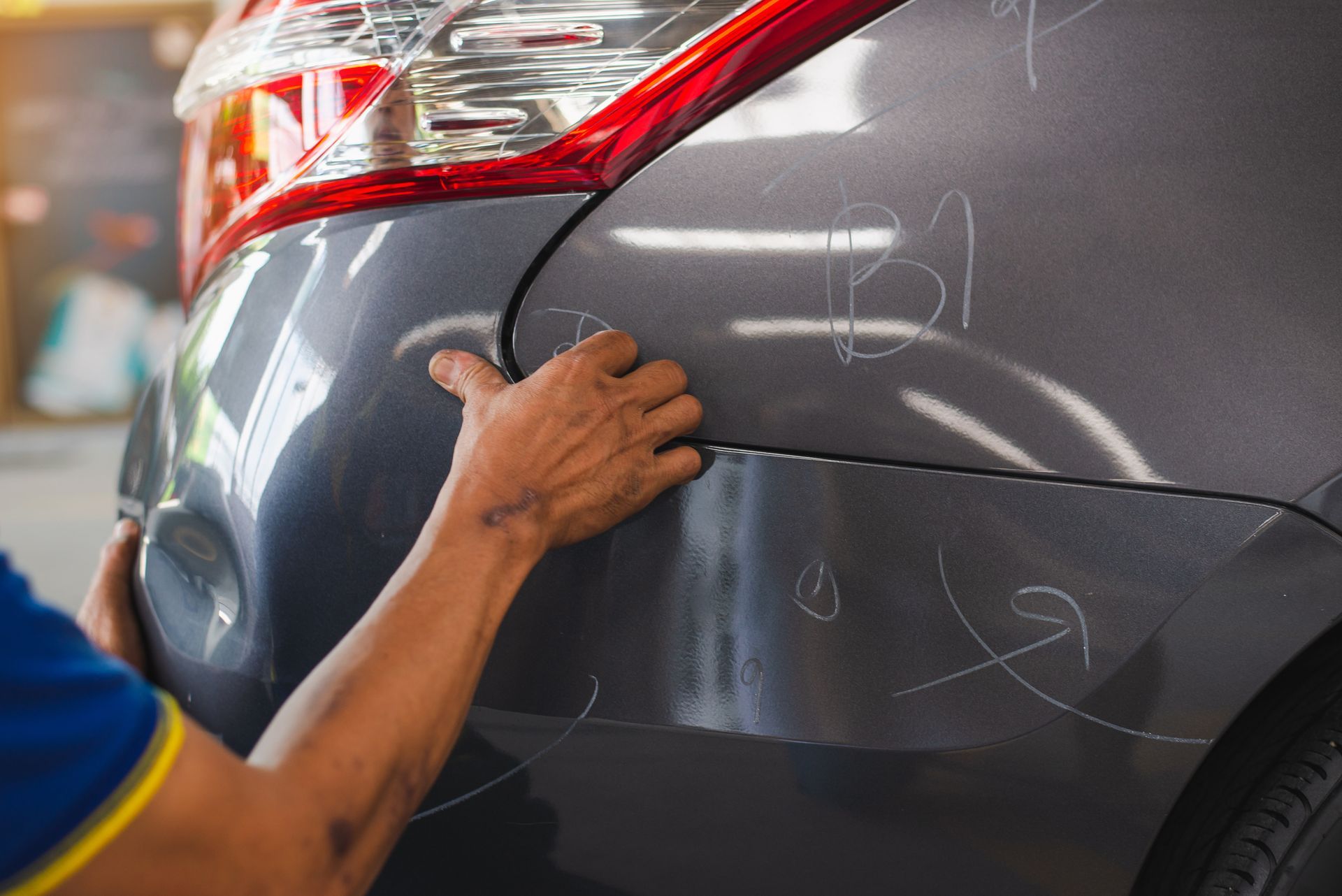
A good polish starts with understanding what the defect actually is. Some marks are on the surface. Others are in the clear coat. Some are contamination, like overspray or road film, that needs to be removed before polishing even makes sense.
A professional polish usually improves gloss and clarity across the panel, not just the one spot you pointed at. That’s because blending matters. Fixing one small area and leaving the surrounding paint hazy can make the repair stand out more than the original scratch.
You should also expect honest limits. If a scratch is too deep, the best outcome might be reduction and blending, not full removal. That kind of expectation-setting prevents disappointment and keeps the repair plan realistic.
Get Paint Polishing in Florida, with Morrison Corp Mobile Body & Paint
We can evaluate your scratches, scuffs, and swirl marks, then recommend polishing when it’s the right fix and repainting only when it’s truly necessary. We’ll aim for results that blend naturally, so the repair does not look like a patched spot on an otherwise tired panel.
Call
Morrison Corp Mobile Body & Paint in Florida to schedule mobile paint polishing and get your finish looking clean and consistent again.