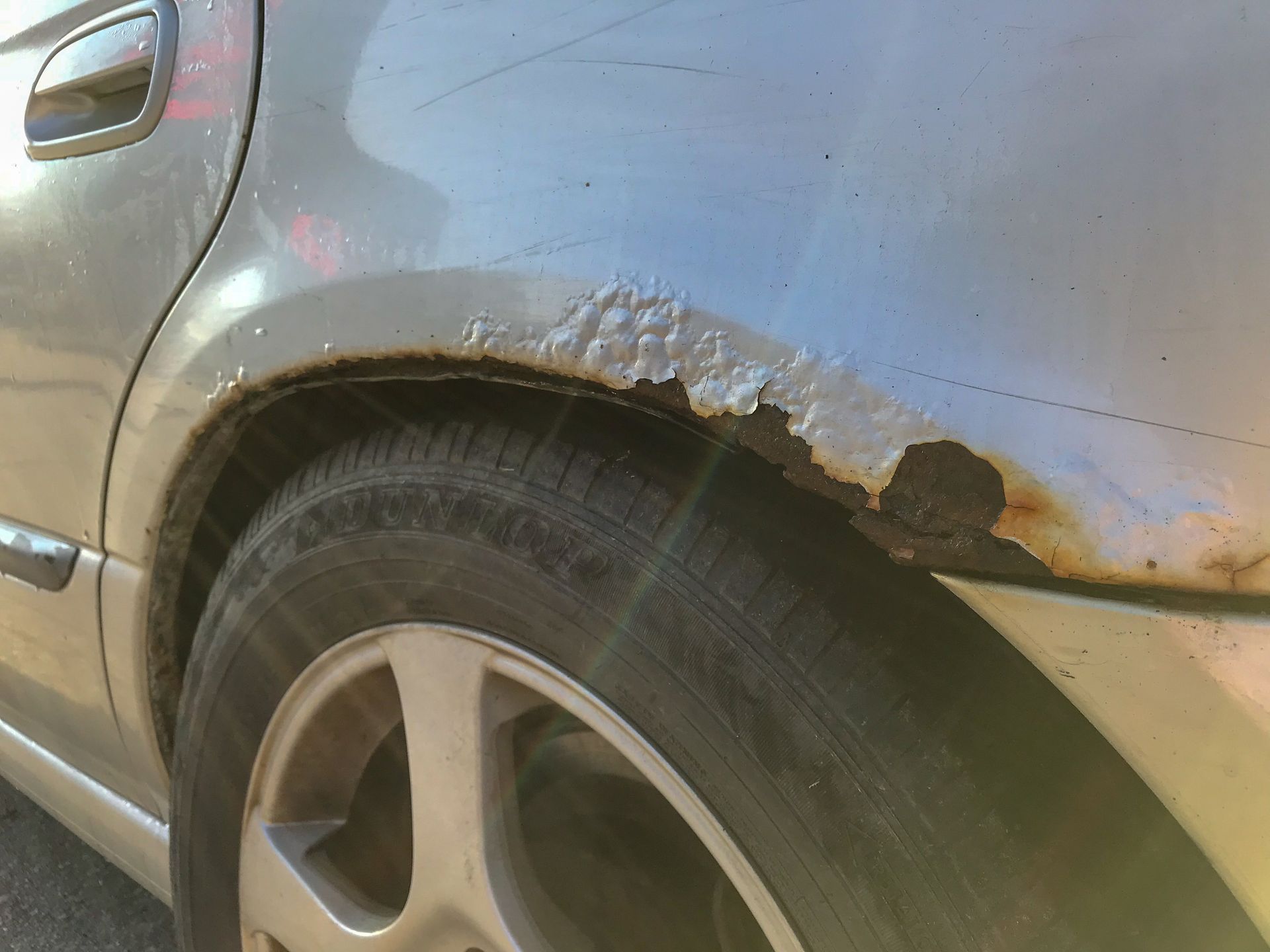
Automatic car washes feel quick and convenient, especially when you are busy, but they can be rough on your vehicle’s paint. You might not see the damage after one visit, yet over months and years, the finish starts to look dull, swirled, and tired. A lot of the paint correction work we do starts with “I always used the drive-through wash, and now the paint looks cloudy.”
How Automatic Car Washes Actually Touch Your Paint
Even “touchless” washes still blast the surface with strong chemicals and high pressure. The more common brush or soft cloth tunnels drag long strips of material across your vehicle at speed. Whatever dirt is on those strips from the last dozen cars can be rubbed into your paint like sandpaper.
Your clear coat is tough, but it is still a thin protective layer. Every pass of a dirty brush leaves fine scratches and micro marring. The damage builds gradually, so the car may just lose some gloss at first. Over time, you start to see spider web patterns under streetlights and a hazy look that never quite goes away after washing.
The Hidden Ways Swirl Marks and Scratches Start
Paint damage from automatic washes usually does not come from one big gouge. It is the thousands of tiny marks that add up. Grit gets trapped in the wash brushes and cloth strips, and those particles score the surface each time they sweep across a panel. The wider and flatter the panels, the more visible the pattern becomes.
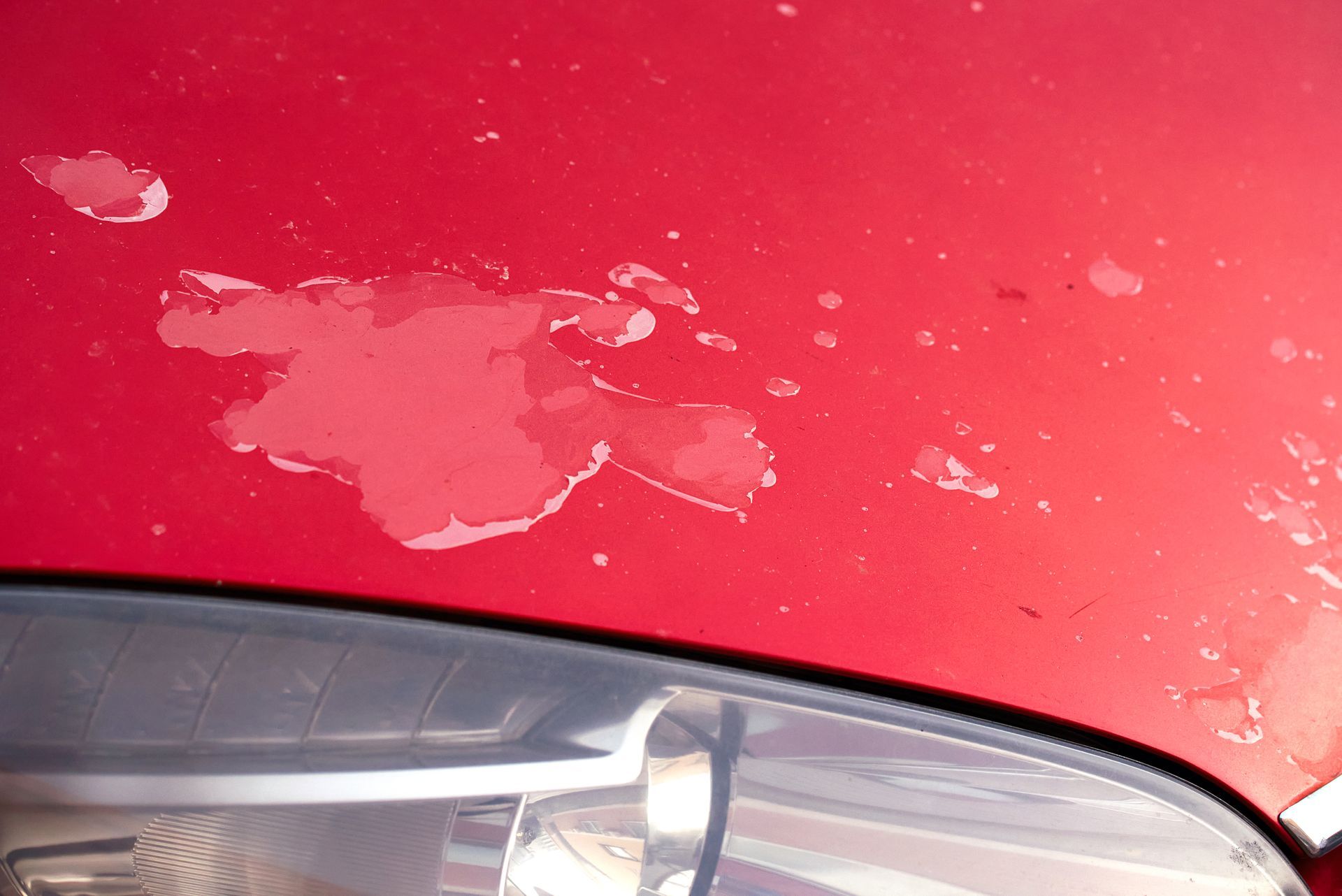
Hard water spots are another problem. If the final rinse is not filtered or the drying cycle is weak, mineral-heavy droplets dry right on the clear coat. Later sun exposure can bake those spots in. We often see vehicles where the combination of brush marks and etched water spots makes the paint look older than it really is.
Automatic Wash Types: Which Are Worst for Your Finish?
Not all automatic washes are equal, but they all come with tradeoffs:
- Older brush style tunnels with stiff bristles are usually the hardest on paint and trim.
- “Soft cloth” systems feel gentler, yet they still hold onto grit from previous vehicles.
- Touchless washes avoid brushes, but they use stronger detergents and higher pressure that can be harsh on wax and sealants.
- Drive-through washes at gas stations often get less maintenance, so brushes and water quality may not be checked as often as they should.
From the outside, they all look similar. The real difference is how often equipment is cleaned, how the water is treated, and how carefully the system is maintained.
Owner Habits That Make Car Wash Damage Even Worse
Some everyday choices quietly accelerate the damage automatic washes can do:
- Running a very dusty or muddy vehicle straight into a brush wash without a good pre-rinse
- Using the cheapest wash option that skips wax, spot-free rinse, or thorough drying
- Washing far more often than needed, which means more brush contact over the life of the vehicle
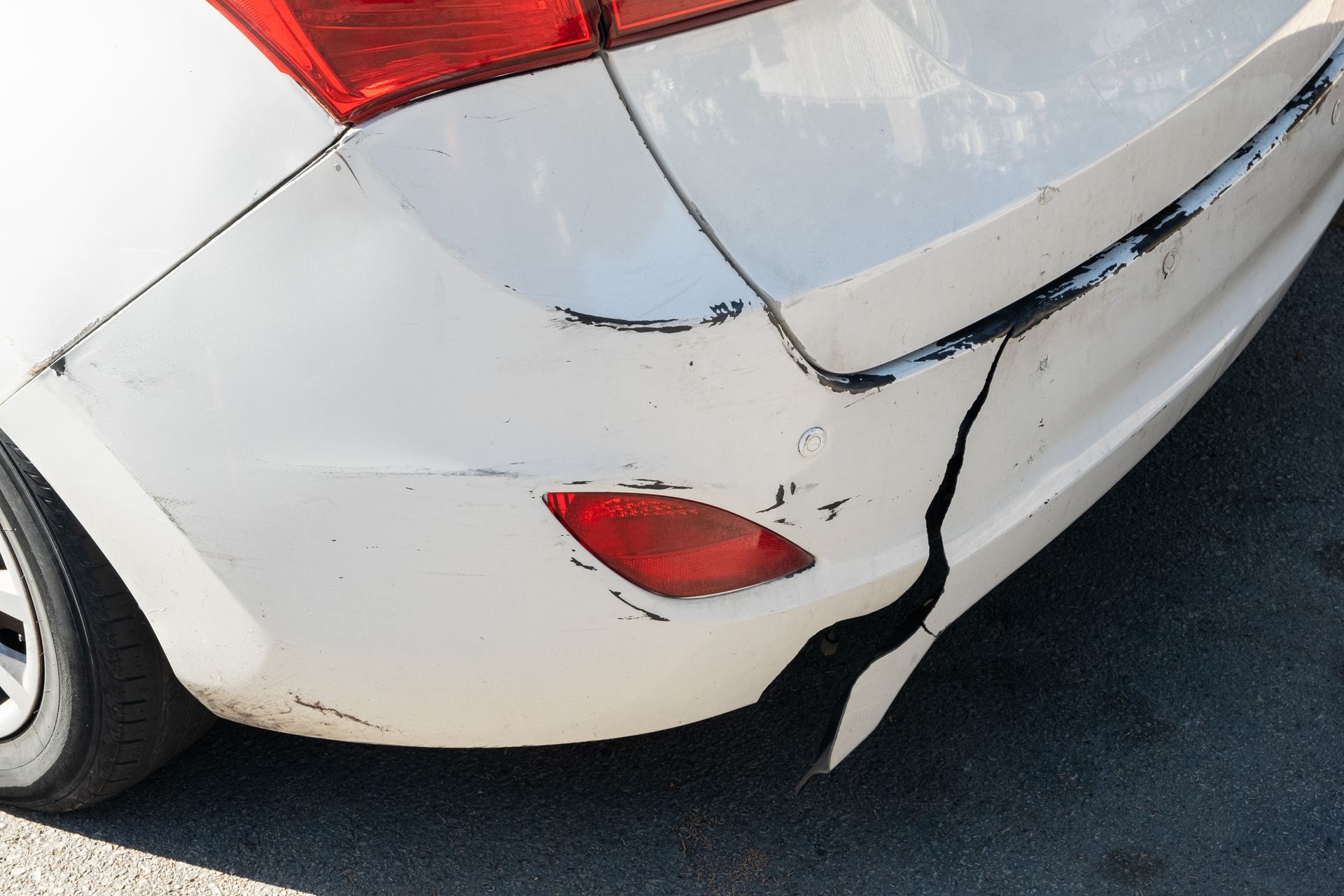
- Ignoring the old, failing clear coat, so brushes start catching the edges of peeling areas
We have seen cars with relatively new paint that looked beaten up simply because they hit a harsh tunnel multiple times a week. Spacing washes out and being selective about the type you use slows that down.
Better Ways to Keep Your Car Clean Without Hurting the Paint
You do not have to live with a dirty vehicle just to protect the finish. A few alternative habits can keep the car cleaner while being much kinder to the paint. Hand washing with clean mitts, quality soap, and a two-bucket method is usually the safest. Even a self-serve bay, where you use the pressure wand to rinse heavy dirt before a proper wash at home, is easier on the clear coat than most tunnels.
Using good-quality microfiber towels and wash mitts, then keeping them clean between uses, helps a lot. A periodic application of wax or a paint sealant adds a sacrificial layer that takes the abuse first. The goal is to remove dirt gently rather than scrubbing it across the surface under pressure.
When You Should Call a Pro to Fix Car Wash Damage
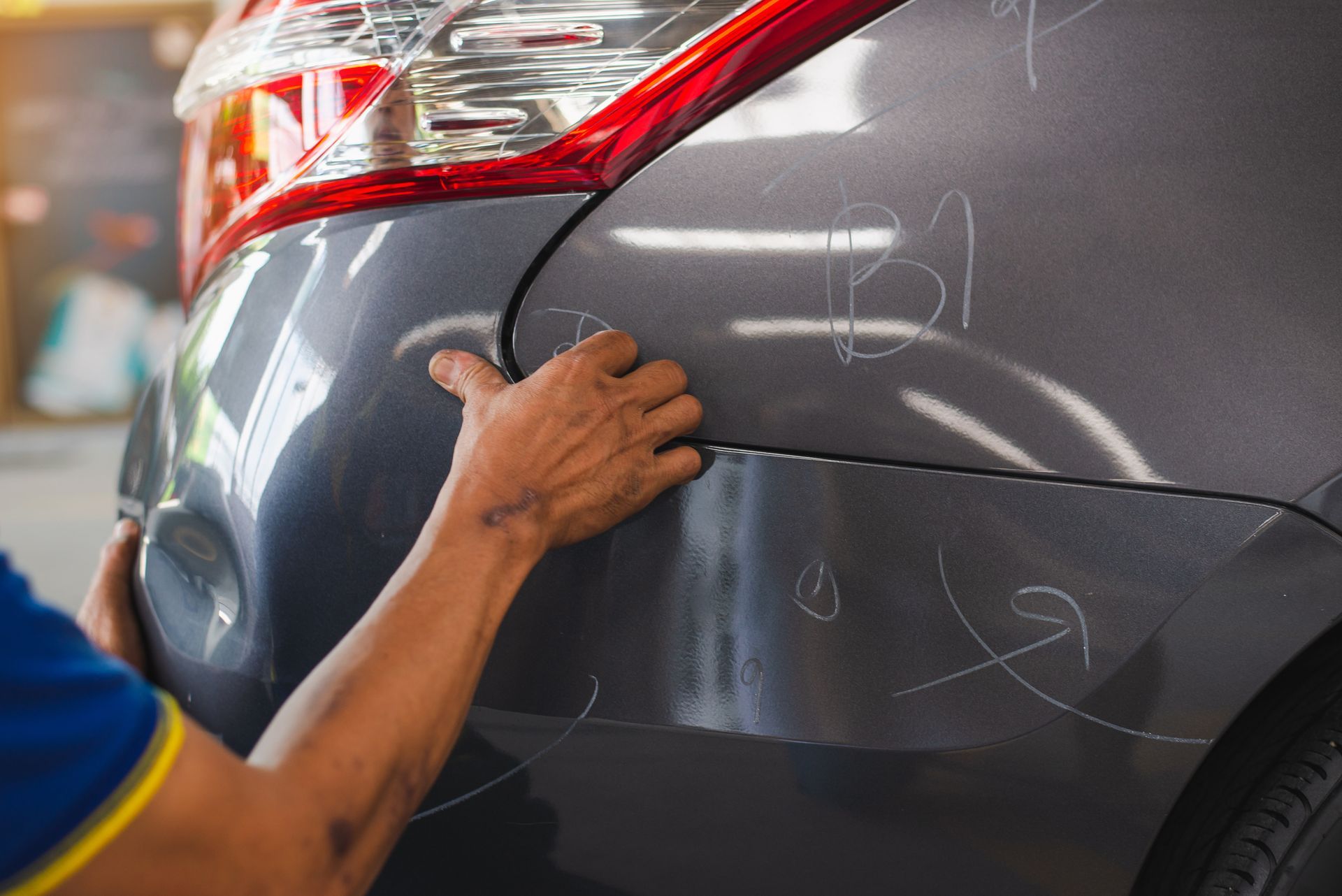
If you already see swirl marks, cloudy reflections, or fine scratches all over the paint, the damage is usually past what a basic wash can handle. At that point, professional detailing and paint correction may be the best path. Careful polishing can level the clear coat, remove or reduce many of those marks, and bring back gloss.
We often suggest pairing correction with protection. Once the finish is restored, a good sealant, wax, or ceramic coating helps resist future damage and makes washing easier. If you decide to keep using automatic washes occasionally, talking about safer options and better intervals can keep the paint looking good much longer after the correction work is done.
Get Paint Damage Repair in Florida with Morrison Corp Mobile Body & Paint
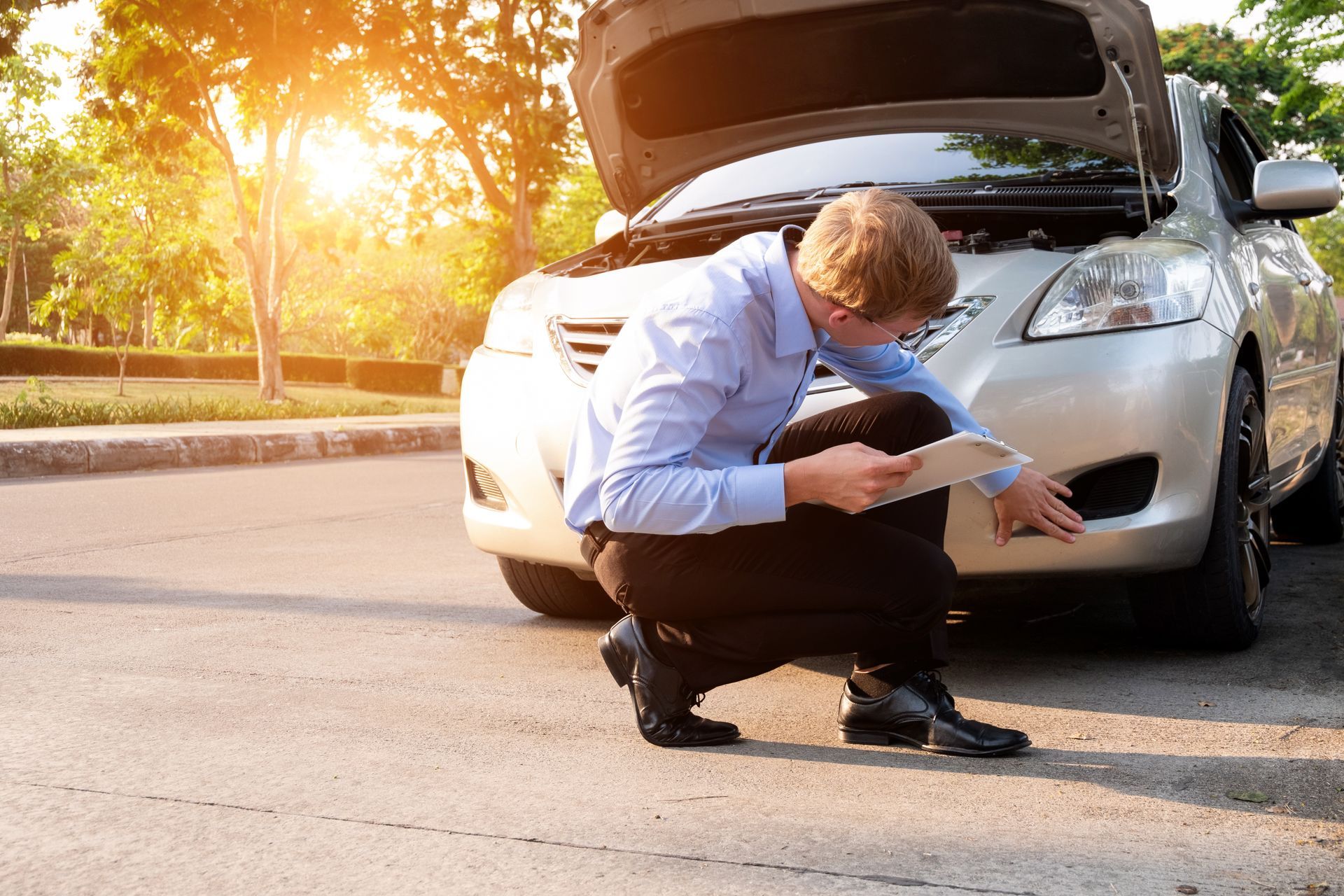
If automatic car washes have left your vehicle with swirl marks, dull paint, or light scratches, you do not have to live with that tired finish. We can come to you, inspect the paint, recommend the right level of correction, and protect the surface so it stays looking sharp longer.
Schedule a car wash and paint damage repair in Florida with
Morrison Corp Mobile Body & Paint, and give your vehicle’s finish a second chance.