A damaged bumper always looks worse in your head once you notice it. A scrape in the paint, a deep scuff, or a crack near the corner makes a lot of drivers assume the whole thing has to be replaced. Sometimes that is true, though plenty of bumper damage can be repaired without installing a brand-new part.
The real answer depends on how deep the damage goes and which part of the bumper was affected.
What A Modern Bumper Actually Includes
Most drivers think of the bumper as a single outer piece, though modern bumpers are more layered. The part you see is usually a plastic bumper cover, and behind it are brackets, absorbers, reinforcement pieces, sensors, or trim, depending on the vehicle. A scuff on the outer cover is very different from damage that has reached the structure underneath.
That distinction is what decides whether repair makes sense. If the damage is mostly cosmetic and the bumper cover still fits the vehicle properly, repair is often a strong option. If the bumper is torn badly, pulled out of shape, or the mounting points are broken, replacement moves much higher on the list.
Scuffs Are Often Repairable
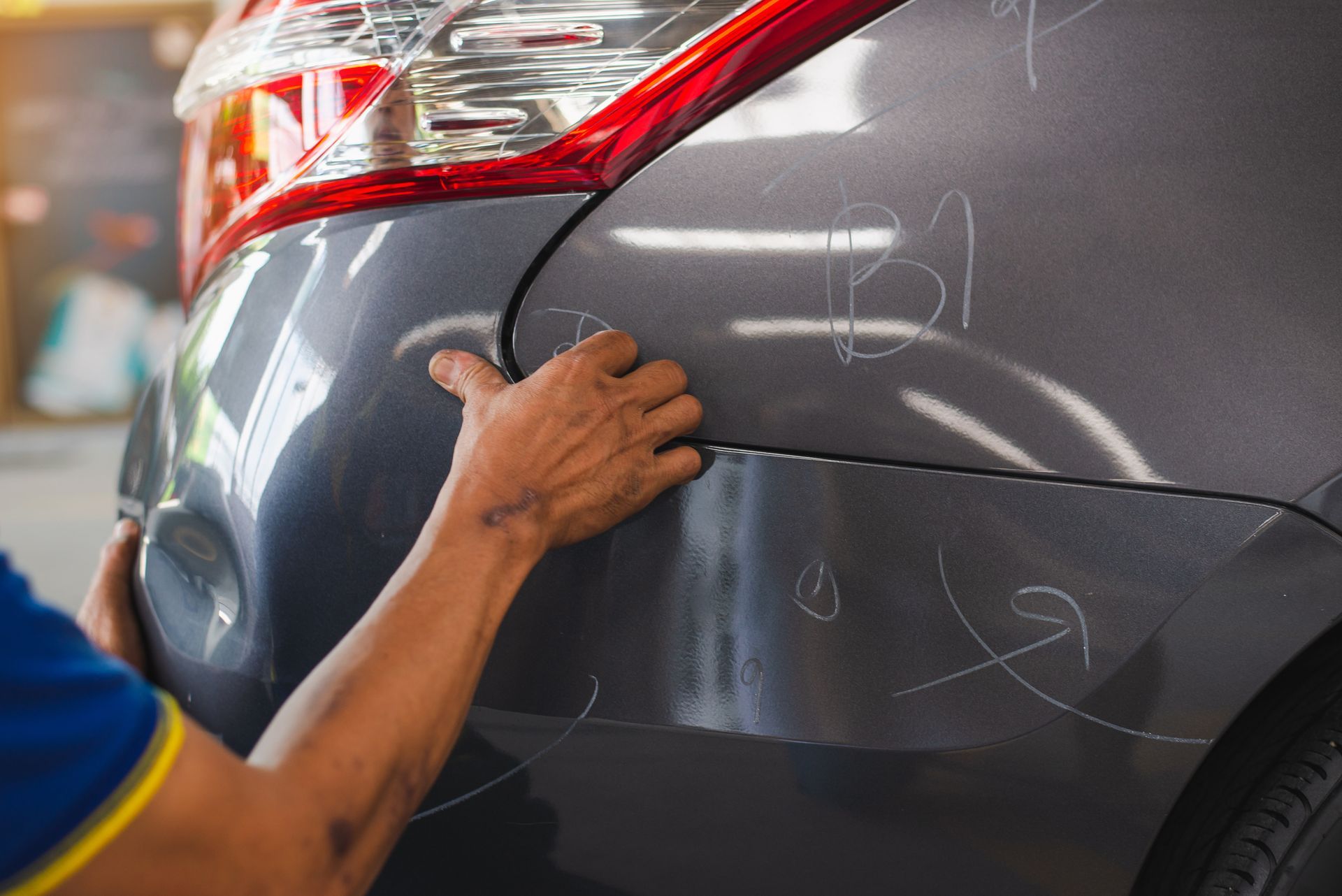
Scuffed bumpers are some of the most repairable types of damage. Paint transfer, surface scratching, and light gouges in the plastic can often be sanded, filled, refinished, and blended back into the bumper’s original shape. Even when the scuff looks ugly, the plastic underneath may still be in solid condition.
This is especially true after low-speed parking lot contact, curb rubs, or minor corner bumps. We see a lot of bumpers that look like they need replacement at first glance, though the actual damage is limited to the finish and top layer of plastic. In those cases, repair can restore the appearance without the added cost of a new bumper cover.
Small Cracks Can Sometimes Be Fixed
A crack does not automatically mean replacement either. Small cracks in repairable areas can be "welded", reinforced, reshaped, and refinished if the surrounding material is still stable. When that repair is done correctly, the bumper can regain its appearance and hold together well in normal use.
The size and location of the crack make a big difference. A short crack in a flatter section is usually a much better repair candidate than a long split near an edge, mounting tab, or body line under tension. Once the plastic has torn in a highly stressed area or the crack keeps spreading, replacement is the better long-term option.
When Replacement Is Usually The Better Choice
There are some situations where repair stops being the smart choice and replacement will give a cleaner, more durable result.
- The bumper cover is badly torn or has missing material
- Mounting tabs or attachment points are broken
- The damage has distorted the bumper’s overall shape
- The crack runs through a complex corner or sensor area
- Previous repairs have already weakened the plastic
- The impact damaged components behind the bumper
In those cases, fixing the visible damage alone will not solve the full problem. The bumper still needs to fit correctly, hold securely, and work with the rest of the vehicle the way it should.
Fit And Finish Are Just As Important As Damage Size
A bumper can have damage that looks minor but still fits poorly afterward. Gaps near the fender, edges that no longer sit flush, or corners that pop loose usually point to hidden issues with brackets, retainers, or the bumper cover itself. That is one reason a proper inspection is so important before deciding on repair versus replacement.
This part gets overlooked a lot. Drivers focus on the scratch or crack they can see, though the bigger issue may be how the bumper lines up with the rest of the body. A bumper that looks mostly intact but sits crooked or loose may need more than cosmetic work to come out right.
Paint Matching Plays A Big Role
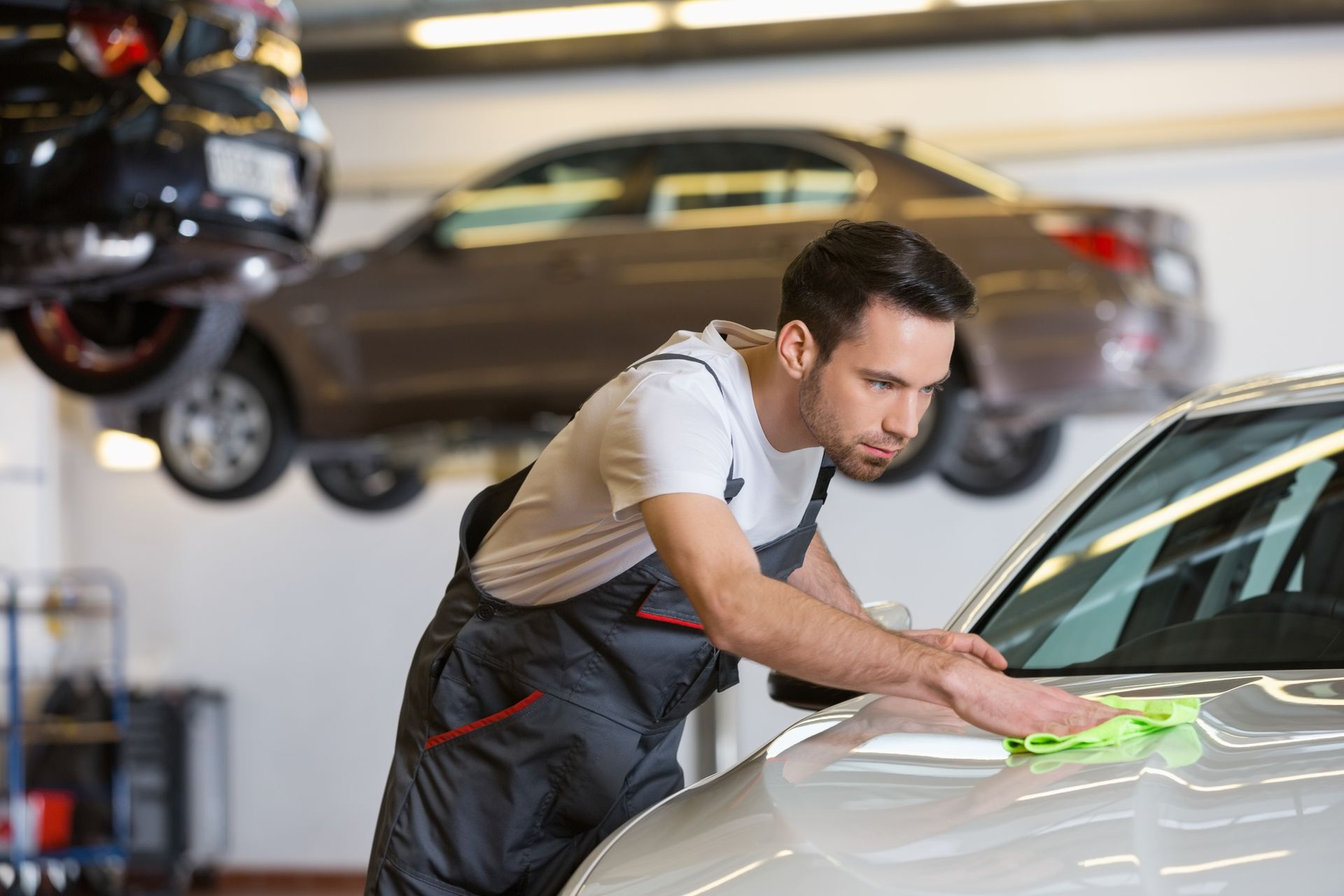
Even when the bumper itself is repairable, the finish still has to look right. That means sanding, prepping, refinishing, and matching the surrounding color carefully so the repaired area does not stand out. Solid colors are often simpler than metallic or pearl finishes, though any bumper repair has to take paint quality seriously if the result is going to look complete.
That is why repair is not just about saving the part. It is about restoring the appearance in a way that looks clean from normal viewing distance and holds up over time. A rushed cosmetic repair can leave texture differences, visible edges, or color mismatch that make the damage easier to notice than before.
Why A Professional Inspection Saves Time
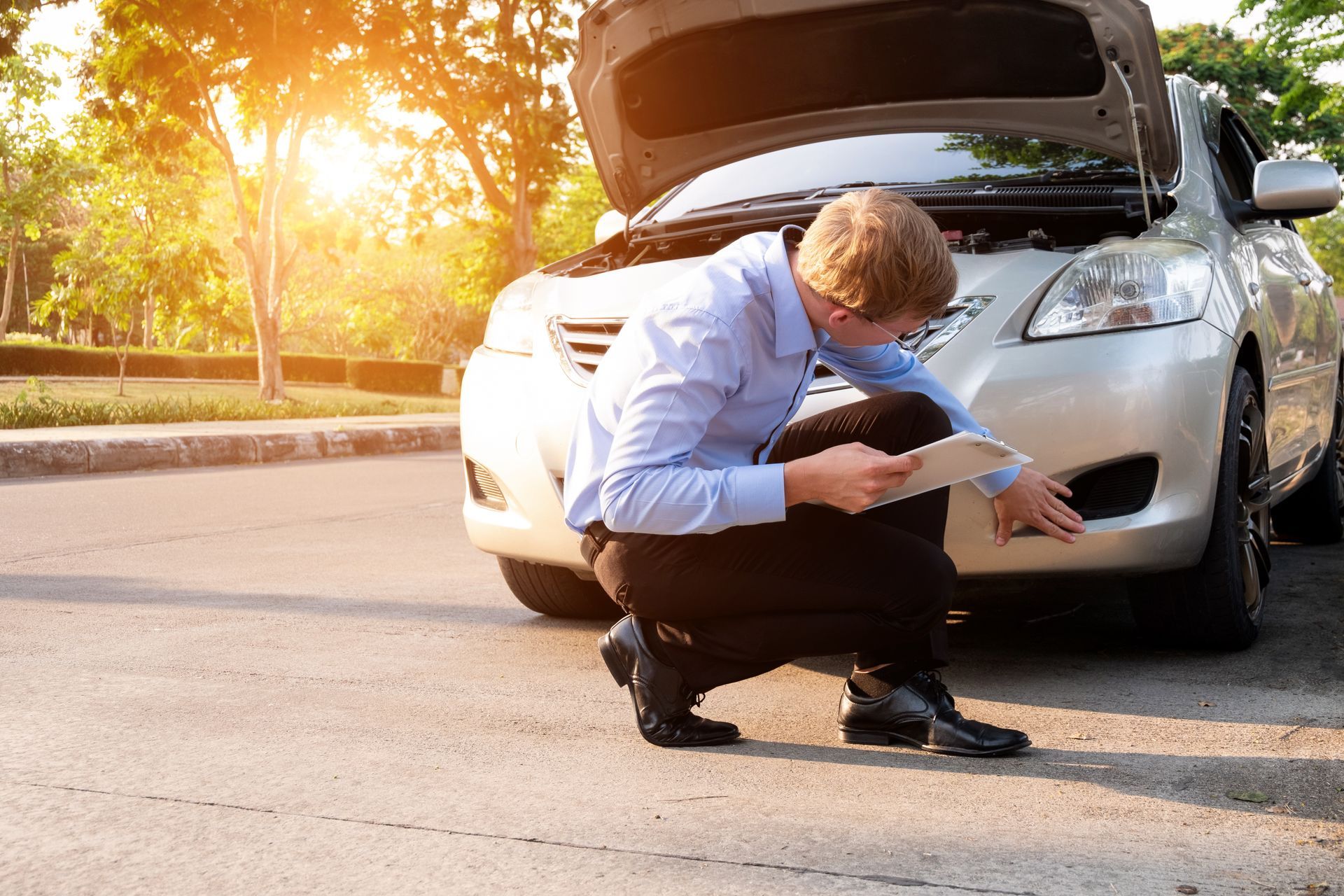
Bumper damage is one of those repairs that is hard to judge accurately from photos alone. The plastic may flex back into place, or it may have hidden tears, broken tabs, and support damage you cannot see until it is inspected closely. During an inspection, the condition of the cover, the mounting areas, and the parts behind it all need to be checked together.
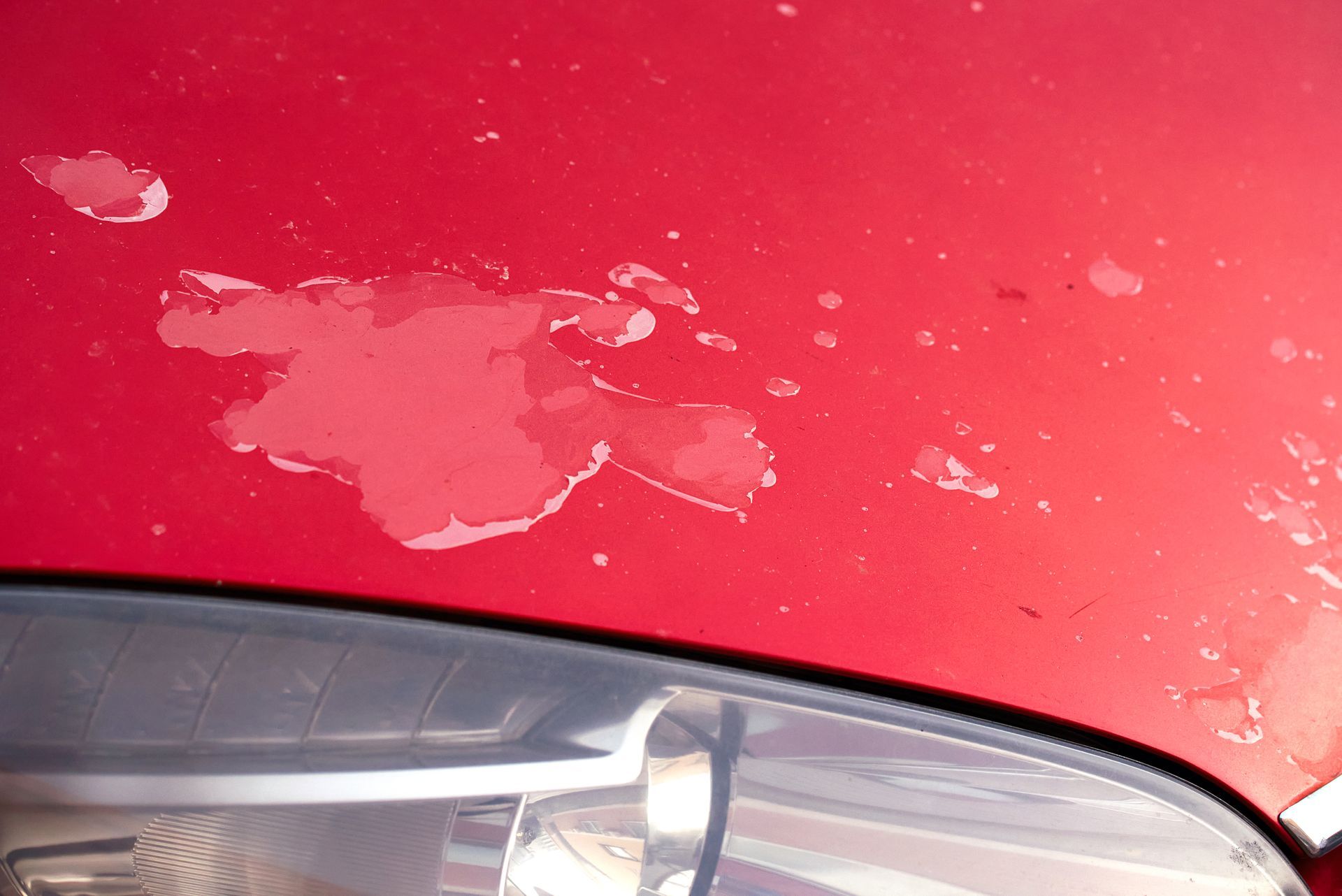
That is what tells you whether the repair will hold up or whether replacement is the better investment. It is similar to regular maintenance in one sense. Catching a smaller issue early often gives you more options than waiting until the damage spreads, the bumper loosens further, or the finish begins peeling around the impact area.
Get Bumper Repair In Florida With Morrison Corp Mobile Body & Paint
If your bumper is cracked, scuffed, or scraped, Morrison Corp Mobile Body & Paint can inspect the damage and let you know whether repair or replacement makes more sense for your vehicle. With mobile auto body repair service in Florida, the team can help you restore the bumper’s appearance without guessing at the next step.
Set up an inspection and find out whether that bumper damage can be repaired cleanly before it gets worse or starts fitting poorly.